


MANI ASIA SDN. BHD.

Curves Ahead? JIZAI Has the Answer

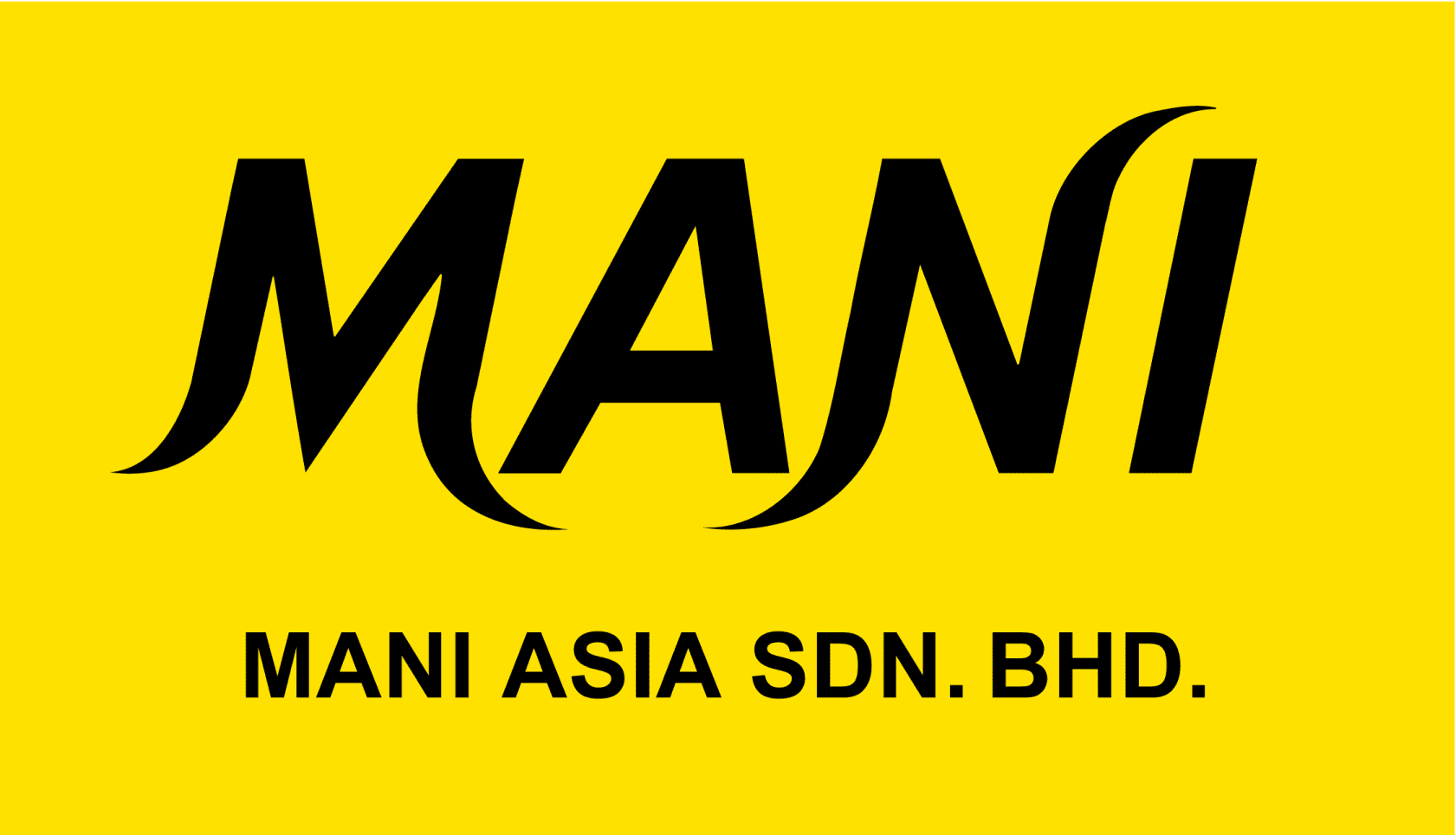
Every canal bends differently—and when they do, rigidity is the enemy.

In modern endodontics, the challenge isn’t just cleaning the canal; it’s respecting its unique anatomy. Traditional rotary files often struggle with curvature, leading to ledge formation, transportation, or worse—separation.

The MANI JIZAI NiTi Rotary File was engineered to answer this specific challenge. By combining advanced metallurgy with a smart cross-sectional design, JIZAI offers a solution that adapts to the curve, protecting both the instrument and the tooth structure.

1. The Science of Flexibility: R-Phase Technology

The secret to JIZAI’s adaptability lies in its proprietary heat treatment. Unlike standard NiTi files that can be stiff and prone to “bouncing” back (straightening the canal), JIZAI utilizes an R-Phase/Austenitic alloy blend. This allows the file to pre-bend and follow the natural trajectory of the canal without aggressive restoring force.

Clinical Evidence: Research indicates that alloy treatments significantly impact the shaping ability of files in curved canals. A 2021 study by Bürklein et al. compared the shaping ability of several heat-treated systems. The study found that JIZAI instruments resulted in the significantly lowest canal straightening among the groups tested, demonstrating superior respect for the original canal anatomy compared to other systems (Bürklein et al., 2021).

2.”2.5x Stronger”: Combatting Cyclic Fatigue

Curved canals place immense stress on instruments, known as cyclic fatigue. As a file rotates around a curve, it undergoes repetitive cycles of tension and compression, which is the leading cause of file separation.

JIZAI’s thermal processing creates a crystalline structure that is far more resistant to these stresses. Internal testing indicates JIZAI offers up to 2.5 times the cyclic fatigue resistance of conventional non-heat-treated NiTi files. This creates a “safety buffer” for clinicians, allowing for confident instrumentation even in complex, curved molars.
3. Smooth Shaping: The “No Taper Lock” Design

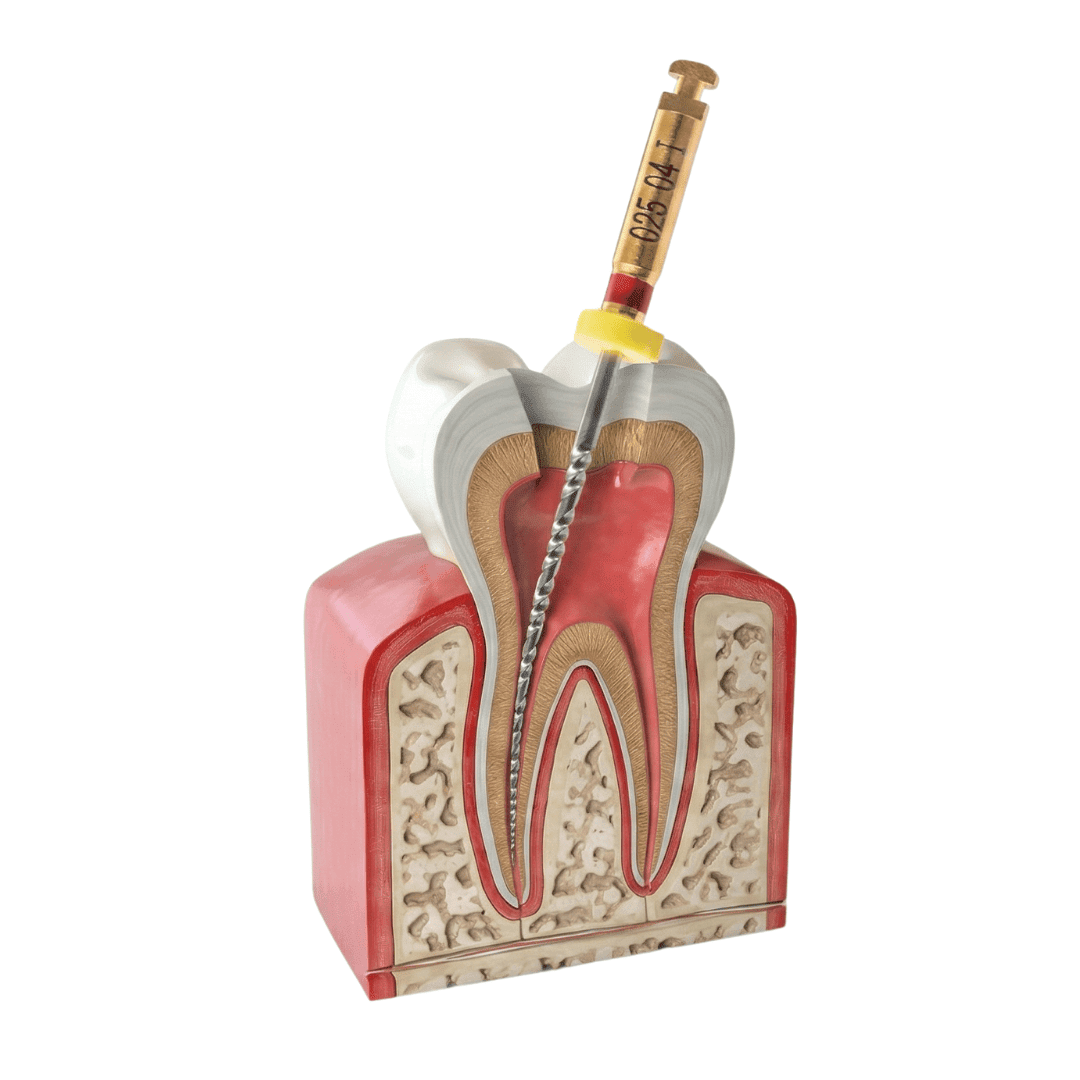
Flexibility is useless if the file binds in the canal. The JIZAI features a unique modified cross-section with radial lands and an off-centered axis.

  • Radial Lands: Help prevent the file from “screwing in” or over-engaging the dentin walls.

  • Off-Centered Axis: Creates a larger “pocket” for debris removal, reducing friction and the risk of taper lock (MANI, n.d.).

This geometry ensures that the cutting action is smooth, centered, and predictable, rather than aggressive and jerky.

Conclusion: Flexibility Protects

When canals curve, rigidity breaks. By choosing JIZAI, you aren’t just choosing a file; you are choosing a smoother, safer path to the apex.

Adapt to the curve. Protect the tooth. Choose JIZAI.

Product Compliance

Registered under Act 737. MANI NiTi FILES (JIZAI) MDA Registration Number: GB7906122-106809


References 

Bürklein, S., Donnermeyer, D., Hentschel, T. J., & Schäfer, E. (2021). Shaping ability and debris extrusion of new rotary nickel-titanium root canal instruments. International Endodontic Journal, 54(7). https://doi.org/10.1111/iej.13525

MANI, Inc. (n.d.). JIZAI NiTi Rotary Files: Technical Brochure. Retrieved from https://www.mani.co.jp

Hou, X. M., Yahata, Y., Hayashi, Y., Ebihara, A., Hanawa, T., & Suda, H. (2011). Phase transformation behavior and bending property of twisted nickel-titanium endodontic instruments. International Endodontic Journal, 44(3), 253–258.

Leave a Comment

Your email address will not be published. Required fields are marked *