

The Science of Selection: More Than Just Shape
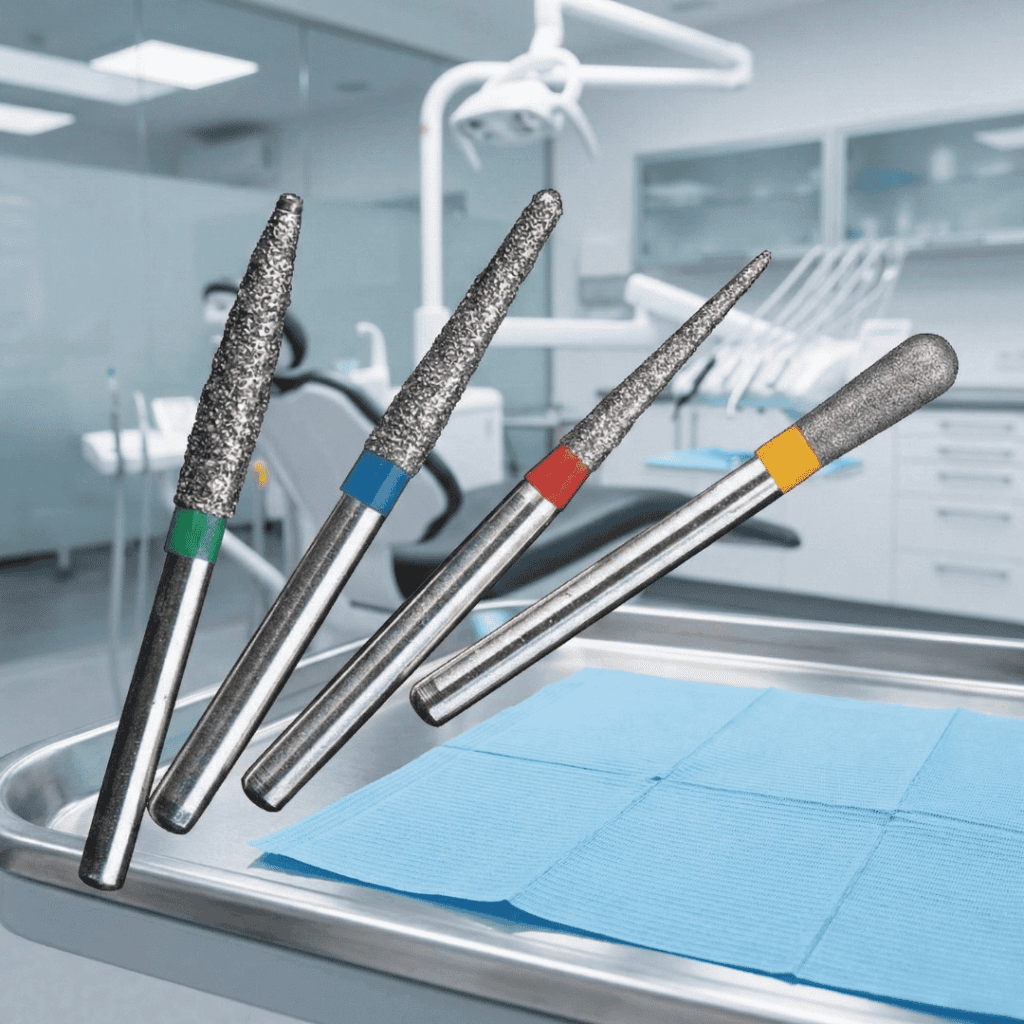
The selection of a dental bur should be a deliberate clinical decision based on several scientifically proven factors.
Material Matters: The substrate being cut dictates the bur material. Diamond burs are the standard for cutting through hard enamel and ceramics due to their abrasive action, yielding smoother surfaces. Tungsten carbide burs function differently, using blades to shave off material. They are highly efficient for softer dentin and metal, but can leave a rougher finish on enamel if not used correctly.
The Impact of Grit Size: Bur grit is not a “one-size-fits-all” feature. Studies show that coarse-grit burs are effective for rapid gross reduction but can induce significantly deeper subsurface cracking and damage to the tooth structure compared to fine-grit burs. Conversely, using a fine-grit bur for bulk removal is inefficient and generates excessive frictional heat, a primary cause of irreversible pulpitis.
Precision and Heat Generation: A high-quality, concentric bur rotates smoothly. A poorly manufactured or worn bur will vibrate (“chatter”), leading to imprecise margins and micro-fractures in the remaining tooth structure. Furthermore, inefficient cutting from a dull or incorrect bur requires more pressure, which directly translates to dangerous heat buildup near the pulp chamber.
Clinical Case in Point: The Chamfer Crown Preparation
Consider the preparation of a posterior tooth for a monolithic zirconia crown. The clinical goal is a chamfer margin—a distinct, smooth finish line with a rounded internal angle. This design minimizes stress on the restoration and ensures an excellent marginal seal.
The Incorrect Approach: Using a flat-end cylinder bur would create a sharp 90-degree internal line angle (a shoulder), which is not ideal for this material and increases stress concentration. Using a flame-shaped bur would create an indistinct “feather-edge” margin, making it difficult for the lab technician to fabricate a precise crown and leading to potential overhangs.
The Correct Approach: The evidence-based choice for this procedure is a Tapered Round-End Diamond Bur. The tapered sides allow for the correct convergence angle of the axial walls, while the rounded tip naturally creates the desired smooth, curved chamfer margin in a single, controlled pass.
Spotlight on MANI: The Science of Precision
At MANI, we understand that the bur is an extension of the dentist’s skill. Our manufacturing process is rooted in scientific principles to ensure consistent, high-performance clinical results.
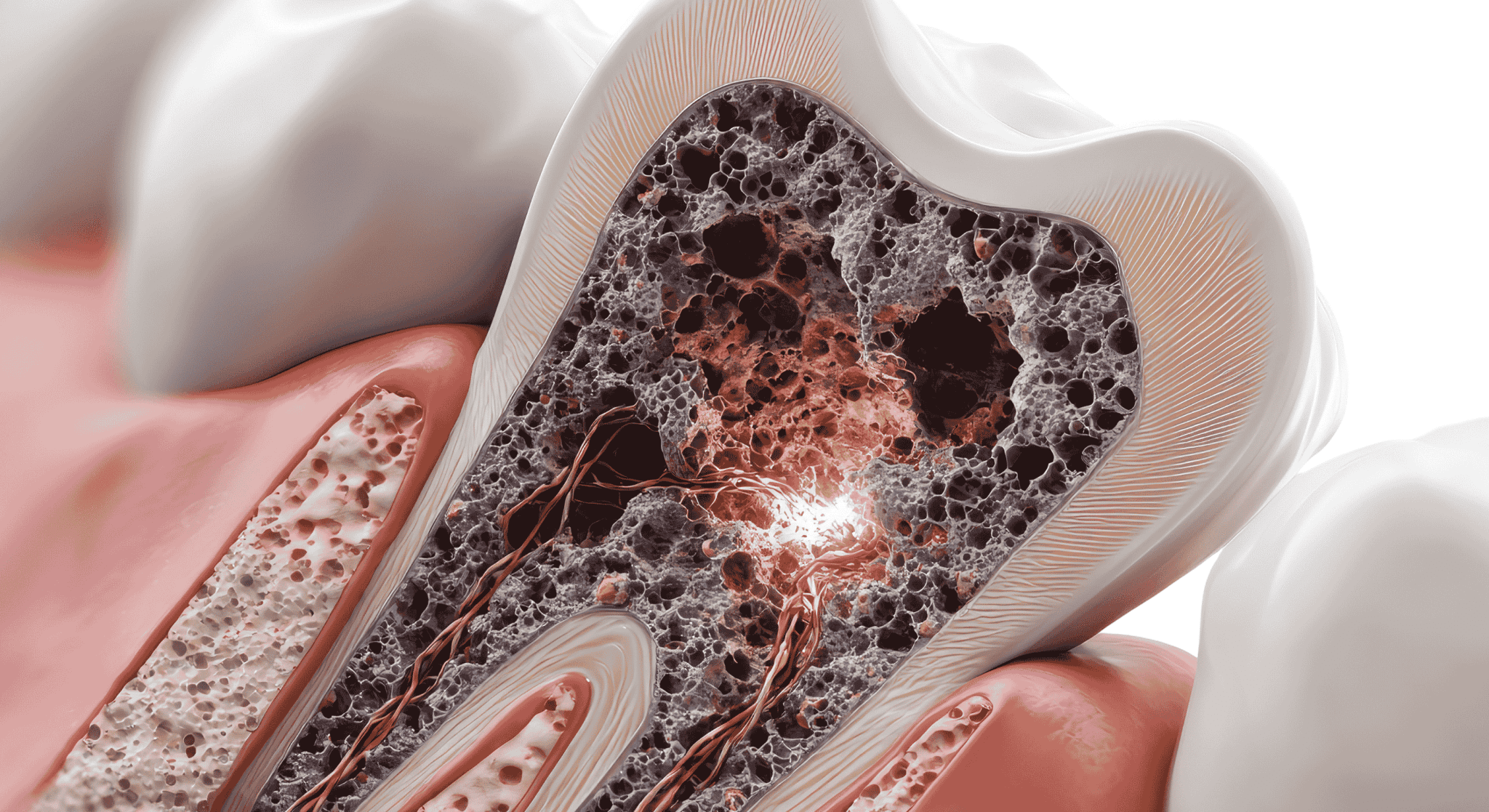
Take, for example, a MANI Taper Round End Diamond Bur (e.g., TR Series), perfectly suited for the chamfer preparation described above.
Superior Diamond Bonding: MANI uses a proprietary electroplating process to bond fine, uniformly sized natural diamond crystals to a high-grade stainless steel shank. This ensures even cutting action and prevents the premature loss of diamond particles, a common cause of heat generation in inferior burs.
ISO-Standard Grit Coding: Our burs follow strict ISO color-coding for grit size, allowing clinicians to confidently select the right aggressiveness for each stage of preparation—from coarse for bulk reduction to fine for finishing the margin.
Concentricity for Control: Every MANI bur undergoes rigorous quality control to ensure excellent concentricity. This translates to smooth, vibration-free rotation, giving the clinician exceptional tactile control for defining precise, smooth margins without damaging adjacent tissues.
Conclusion
The choice of dental bur is a critical step that directly influences procedural efficiency, patient safety, and the longevity of the restoration. By grounding bur selection in scientific evidence—considering material, grit, and geometry—dentists can elevate their practice. Choosing a high-quality, precision-engineered instrument like a MANI bur is an investment in predictable, superior clinical outcomes.
References:
Dental Burs and Patient Comfort: How to Choose the Right Tool. UMGroup. Available at: https://www.umgroupen.com/dental-burs-and-patient-comfort-how-to-choose-the-right-tool.html
Song, X., et al. (2023). Finite Element Analysis of Dental Diamond Burs: Stress Distribution in Dental Structures During Cavity Preparation. MDPI, 7(4), 84. Available at: https://www.mdpi.com/2673-1592/7/4/84
Comparison of Dental Diamond Burs and Tungsten Carbide Burs. BURDENTAL. Available at: https://www.burdental.com/blog/comparison-of-dental-diamond-burs-and-tungsten-carbide-burs
Chamfer vs. Shoulder Margins: Clinical Considerations in Tooth Preparation. Mr Bur. Available at: https://www.mrbur.com/blogs/education/chamfer-vs-shoulder-margins-clinical-considerations-in-tooth-preparation
MANI Diamond Burs Product Information. Available at: https://oralkart.com/products/mani-diamond-burs-ce-series and https://www.dentalsky.com/mani-diamond-burs-si-47-5.html